Long before the words superfood and protein became part of everyday conversation, our grandparents were quietly eating some of the most nutrient-rich foods available. There were no expensive supplements or exotic ingredients—just simple, wholesome meals made from every part of the animal.
Offal, bone broth, slow-cooked cuts and whole chickens were once staples in kitchens across Britain. These affordable cuts weren't just economical; they were packed with vitamins, minerals and flavour. Today, many of these traditional foods have fallen out of favour, often replaced by more familiar cuts like chicken breast or steak. Yet with food prices continuing to rise, perhaps it's time to rediscover these forgotten favourites.
Making the Most of Every Animal
For previous generations, wasting food simply wasn't an option. Families embraced a 'nose-to-tail' approach to cooking, making use of everything from liver and kidneys to marrow bones and oxtail. These cuts were often the most affordable, but they also happened to be some of the most nutritious.
While premium steaks and fillets are still wonderful treats, many traditional cuts remain excellent value today. Better still, they offer the opportunity to enjoy delicious organic meat while making your food budget go further.
Why Offal Deserves a Second Chance
For many people, offal can seem unfamiliar or even a little intimidating. Often it's the idea of it, rather than the taste, that puts people off.
In reality, each type of offal has its own unique flavour and texture.
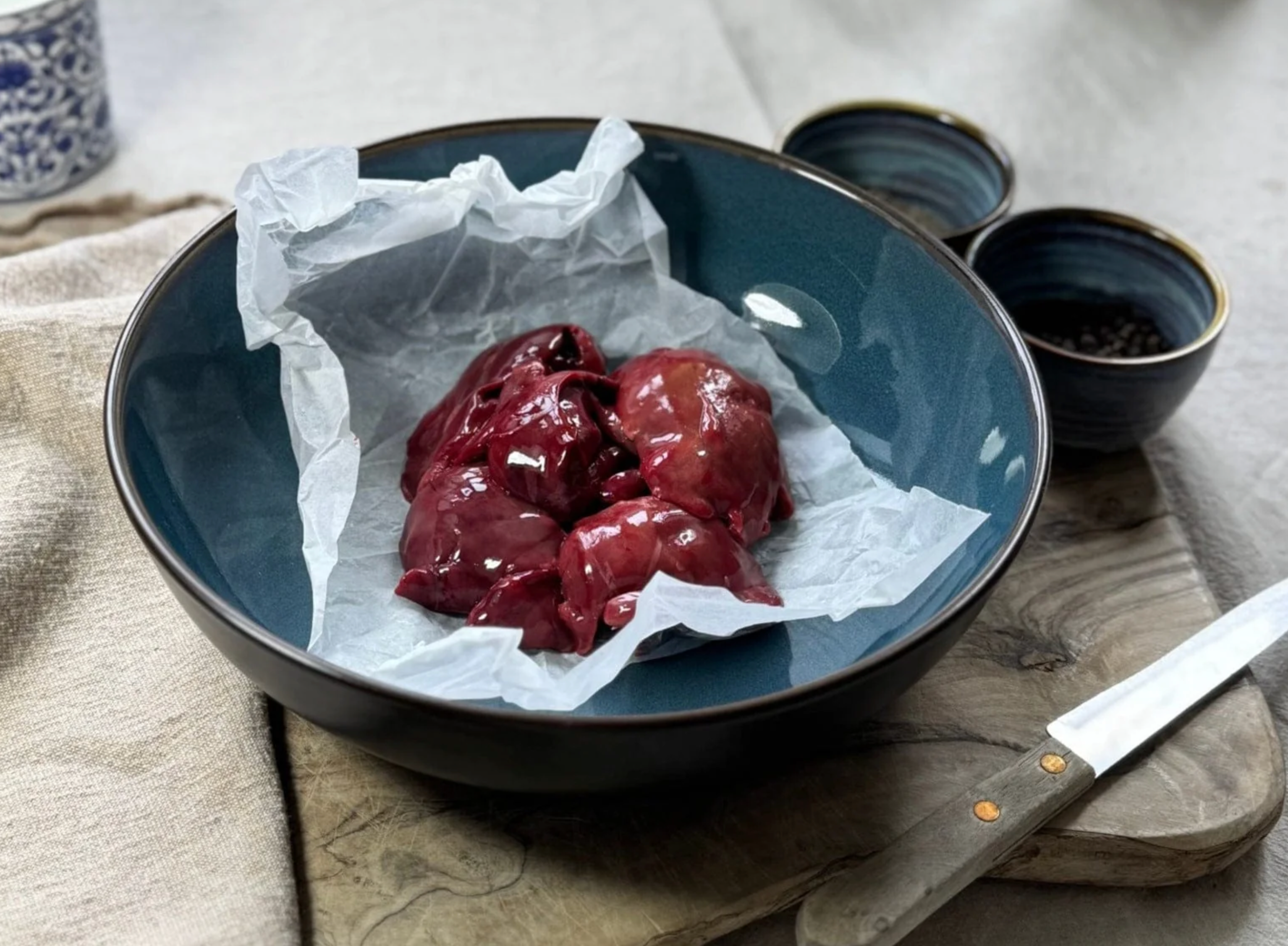
Chicken Livers
Chicken livers are often the perfect introduction to offal. They have a rich yet surprisingly mild flavour with a smooth, velvety texture when cooked correctly. They're ideal blended into a homemade pâté or gently fried with onions, garlic and herbs before serving on toast.
Lamb's Liver
Lamb's liver has a deeper, more robust flavour than chicken liver but is still wonderfully tender. Lightly frying it with onions and serving alongside creamy mashed potato is a traditional favourite that has stood the test of time.
Beef Liver
Beef liver has the strongest flavour of the three and is incredibly nutrient-dense. Thin slices cooked quickly with caramelised onions help balance its rich taste.
Kidneys
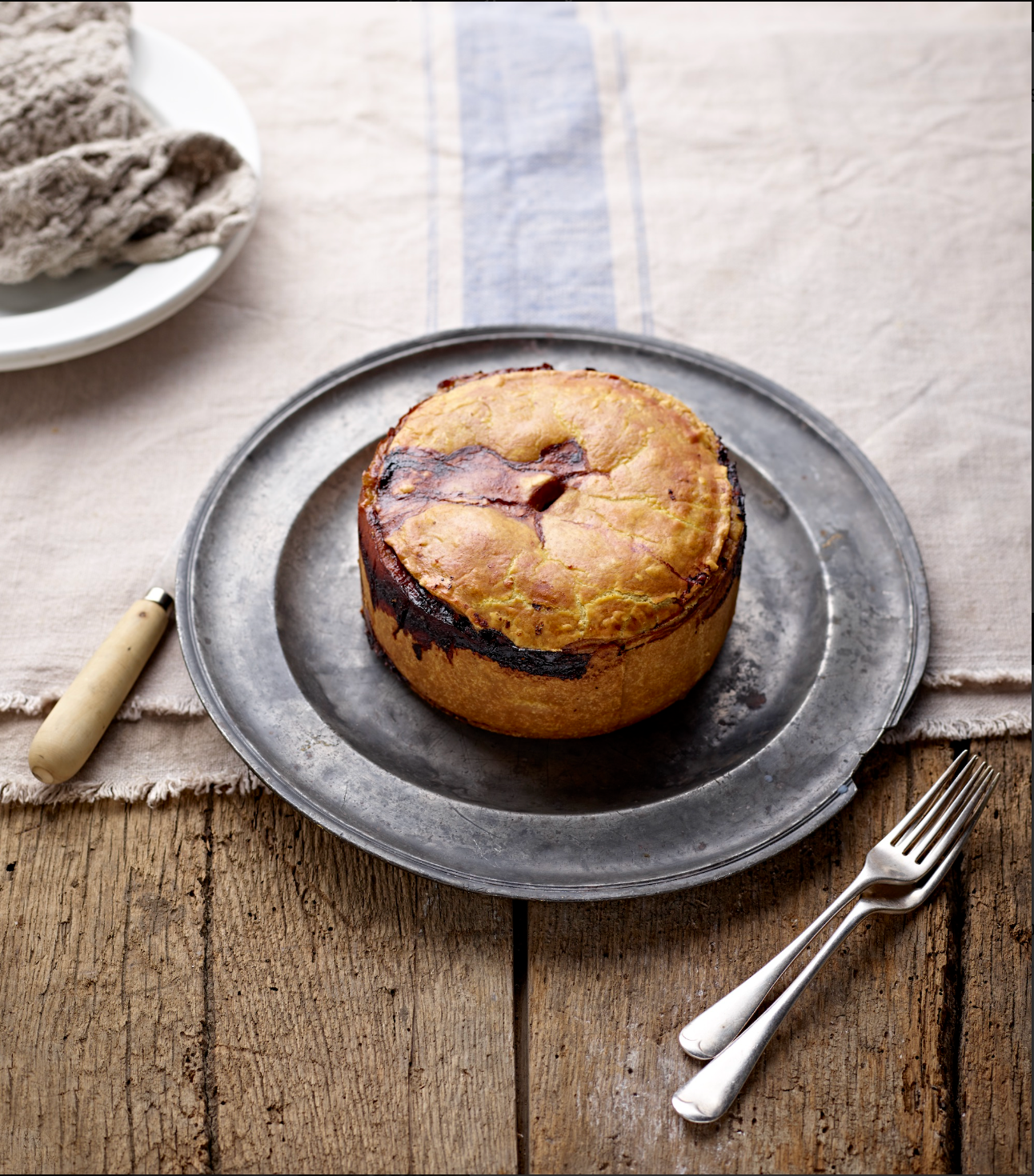
Kidneys have a firmer texture and distinctive flavour that works particularly well in slow-cooked dishes such as steak and kidney pie. When prepared properly, they add incredible depth to comforting family recipes.
More Than Just Offal
There are plenty of overlooked cuts beyond offal that deserve a place back on the dinner table.
Marrow Bones
Perfect for roasting or simmering into rich homemade stock, marrow bones are naturally full of collagen and flavour. Spread roasted marrow on warm sourdough with sea salt and parsley, or use the bones to create nourishing broths for soups, stews and gravies.
Oxtail
Slow-cooked oxtail transforms into beautifully tender meat with an intensely rich flavour. It's perfect for hearty casseroles and soups that improve even more the following day.
Beef Shin
Once considered a humble cut, beef shin has become increasingly appreciated for slow cooking. Its natural marbling and connective tissue melt away during cooking to create wonderfully rich casseroles.
Whole Chicken
A whole organic chicken offers exceptional value. Roast it for Sunday lunch, enjoy leftovers in sandwiches or salads, then simmer the carcass to make homemade stock. One bird can provide several delicious meals.
A Nutritional Powerhouse
Many traditional cuts are naturally rich in nutrients that support a healthy, balanced diet.
Offal is particularly well known for providing:
- High-quality protein
- Iron
- Vitamin B12
- Vitamin A
- Folate
- Zinc
- Selenium
These nutrients play important roles in supporting normal energy production, red blood cell formation, immune function and overall wellbeing.
Bones used for homemade stock also provide collagen and gelatine, which contribute wonderful flavour and texture to soups, sauces and stews.
Where Should Beginners Start?
If you've never cooked offal before, start simple.
Chicken livers are widely considered the most approachable, thanks to their mild flavour and versatility. Homemade pâté, creamy liver pasta or pan-fried chicken livers with onions are all excellent starting points.
From there, you might explore lamb's liver before moving on to kidneys or beef liver if you enjoy stronger flavours.
The key is not to overcook offal. Liver, in particular, benefits from quick cooking over a medium heat to keep it tender rather than dry.
Traditional Food for Modern Kitchens
As food prices continue to rise, many of the cuts our grandparents relied upon still represent fantastic value. Choosing organic doesn't have to mean choosing only premium steaks and roasting joints. By embracing more traditional cuts, it's possible to enjoy exceptional flavour, outstanding nutrition and excellent value while supporting farming systems that prioritise animal welfare and the environment.
At Eversfield Organic, we believe these forgotten favourites deserve to be celebrated once again. Whether it's organic chicken livers, marrow bones for homemade stock or slow-cooking cuts that reward a little patience, these are ingredients that have nourished families for generations.
Sometimes, the best superfoods aren't new discoveries at all—they're simply the foods we've forgotten.