SHOP ALL ORGANIC FATS>
When it comes to traditional cooking fats, beef fat and beef suet are often mentioned interchangeably, but they’re not quite the same thing. Both come from cattle, both are natural animal fats, and both have been used in British kitchens for generations. However, their texture, location on the animal, and culinary uses differ.
Let’s break it down.
What is Beef Fat?
“Beef fat” is a broad term that refers to the general fat trimmed from various parts of the animal. When rendered (slowly melted down and strained), beef fat becomes what many people know as tallow.
Beef fat can come from:
-
Around the muscles (trim fat)
-
Under the skin
-
Surrounding different cuts of meat
When rendered into tallow, it becomes smooth, firm at room temperature, and excellent for high-heat cooking due to its high smoke point.
Common Uses for Beef Fat (Tallow)
-
Roasting potatoes and vegetables
-
Frying or shallow frying
-
Making traditional chips
-
Searing steaks
-
Pastry making (in some savoury recipes)
-
Skincare and soap making (in traditional methods)
It has a rich, savoury flavour and is prized for creating crisp textures when roasting.
What is Beef Suet?
Beef suet is a specific type of fat. It comes from the hard, crumbly fat found around the kidneys and loins of the animal. Unlike general beef fat, suet has a drier, more crumbly texture when raw.
Suet has been a cornerstone of traditional British cooking for centuries, particularly in steamed and baked dishes.
Common Uses for Beef Suet
-
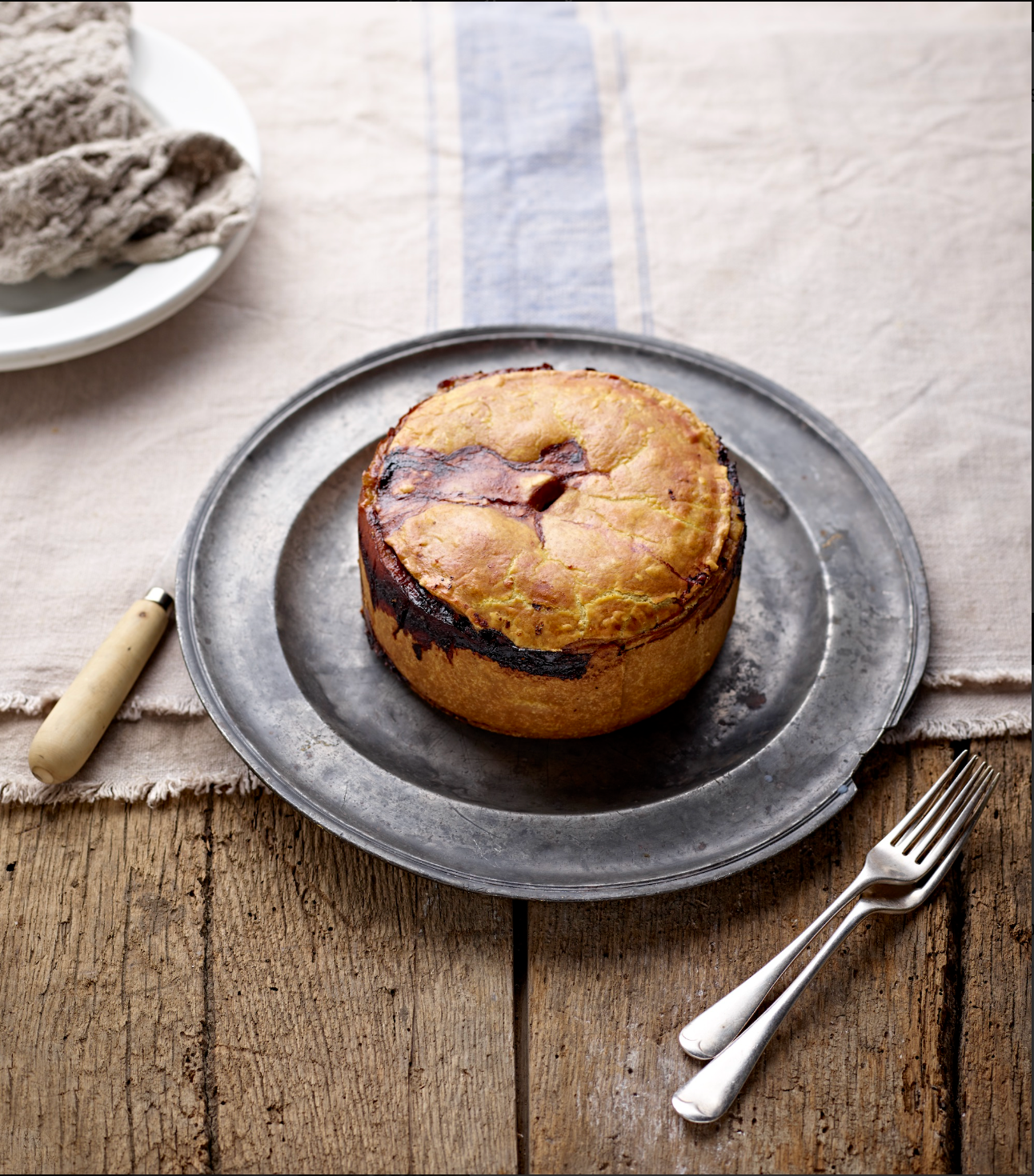
Suet pastry (for savoury pies and puddings)
-
Traditional steamed puddings (like Christmas pudding or steak & kidney pudding)
-
Dumplings
-
Mincemeat
-
Some heritage baking recipes
Suet melts at a slightly higher temperature than many other fats, which helps create light, fluffy textures in pastry and puddings.
Key Differences at a Glance
| Beef Fat (Tallow) | Beef Suet |
|---|---|
| General fat from various parts of the animal | Specific fat from around the kidneys |
| Often rendered into smooth tallow | Hard and crumbly when raw |
| Best for roasting and frying | Best for pastry, puddings, and dumplings |
| Rich, savoury flavour | Mild but rich, traditional baking fat |
Why Choose Organic?
Whether you’re using beef fat for crispy roast potatoes or suet for a traditional pudding, choosing organic means the fat comes from cattle raised to certified organic standards — with high welfare, natural diets, and no routine use of synthetic chemicals.
Because fat carries flavour, it also reflects the quality of the animal’s diet and environment. Organic fat, from well-raised cattle, offers not only culinary benefits but peace of mind about how the animal was farmed.
Bringing Tradition Back to the Kitchen
Beef fat and suet may feel old-fashioned to some, but they are deeply rooted in traditional cooking. As more people move away from ultra-processed ingredients and return to whole, natural foods, these time-honoured fats are making a quiet comeback.
Understanding the difference allows you to use each one properly — whether you’re perfecting your roast potatoes or mastering a classic suet pudding.
Sometimes, the most traditional ingredients are the most versatile of all.