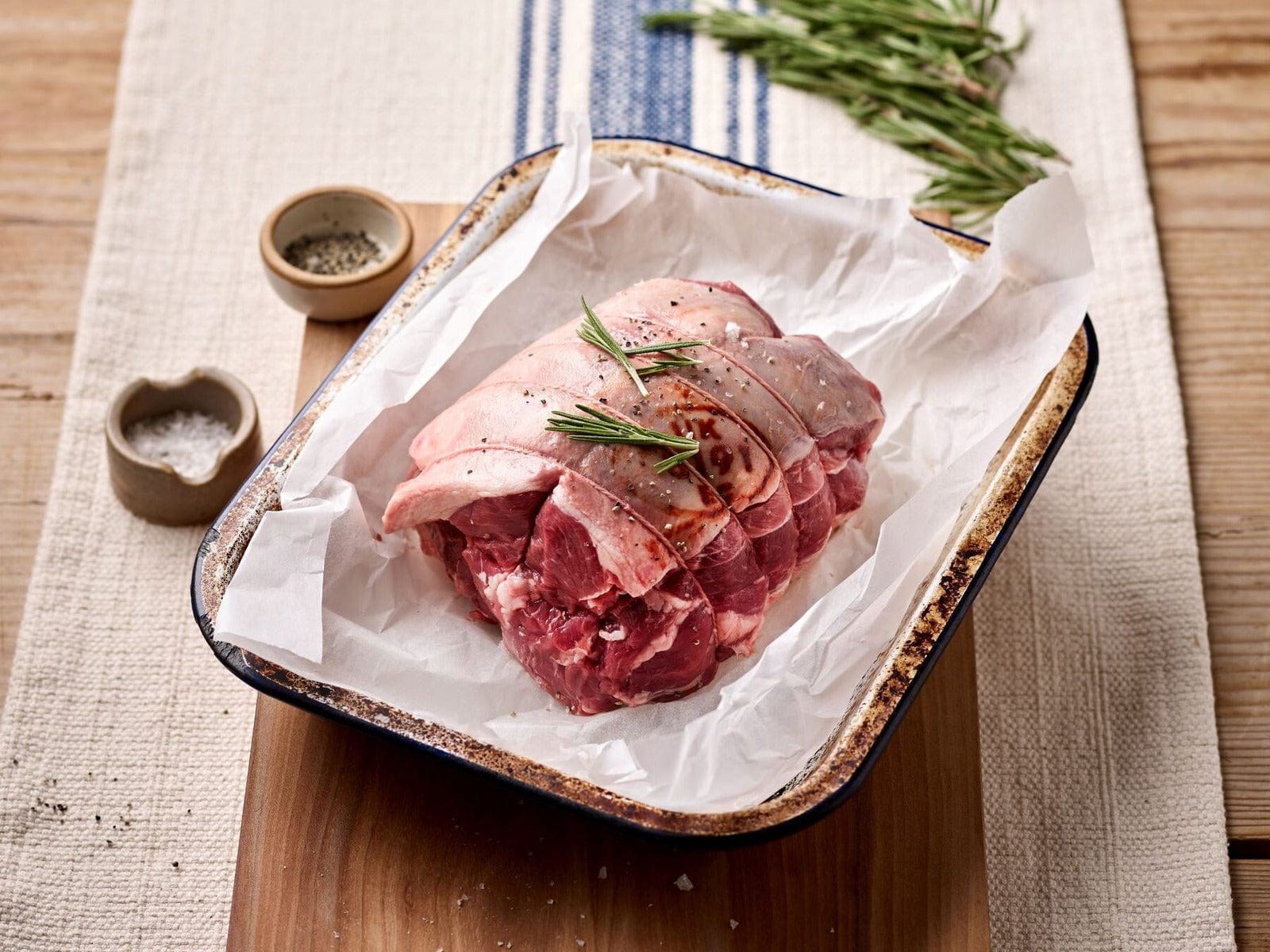
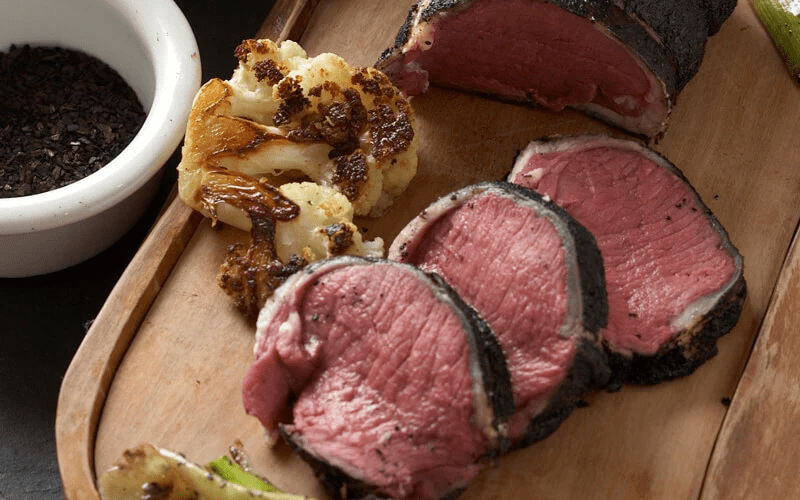
Walk up to any traditional British butcher's counter, and you will see a fabulous selection of cuts from the ovine family. There are familiar legs of lamb, racks, and chops to be found. But look a bit closer, and you might find cuts labelled 'mutton', too. For many, the distinction is hazy. Is mutton just old lamb? Is it tougher? Stronger tasting?
The easy and practical answer is yes, but there's a whole world of nuance – and culinary pleasure – at the heart of it. Here at Eversfield Organic, we're passionate about nose-to-tail eating and honouring the whole animal, which is why we believe both lamb and mutton should be in your kitchen. Deciding between them has nothing to do with which is better; it's about what you want to cook and the flavour you are after.
This guide will strip away the mystery of these two beautiful meats, allowing you to select the best cut for your next meal.
Defining the Age: When Does Lamb Become Mutton?
The key difference between lamb and mutton is the amount of time each animal lives. This single factor affects everything from flavour and texture to how best to cook the meat. The definitions in the UK are quite detailed:
- Lamb: A sheep under one year old. In supermarkets, the vast majority of meat that you see is lamb, valued for its tenderness and mild flavour.
- Hogget: A term you might see at a good butcher's. It describes a sheep between one and two years old. Hogget has more flavour and is less tender compared to lamb, while still more tender than mutton.
- Mutton: This is the meat of a sheep more than two years old. Sometimes, it is from ewes who have spent a full life grazing on pasture for several seasons.
A traditional butcher can tell an animal's age by looking at the animal's teeth. A lamb has no permanent incisors, a hogget has two, and mutton has more than two. That age variety is the secret to their differences.
The Flavour and Texture Divide: Marbling, Fat, and Aroma
An animal's age and life correlate directly with the eating experience. Younger animals tend to do less work, creating finer muscle fibres and a softer texture. An older animal has gained more muscle, more intramuscular fat (marbling) and a flavour quality that speaks about life on pasture.
Lamb is known for being tender and sweet, but has a gentle flavour. The meat is pale pink, and the fat is mild. It's very versatile and forgiving, making it a go-to option for lots of recipes, from quick weeknight grills to a Sunday roast. Its subtlety is its power, and it works wonderfully with light herbs like mint, rosemary and thyme, without being overwhelming.
In contrast, mutton is a rich, sturdy meat. The colour is red, deeper and firmer. Its taste is normally described as 'gamey'. It has a deep, rich flavour – a product of months spent grazing on lots of different grasses and herbs, which makes it very interesting. The fat on mutton is also thicker and takes up a good chunk of this unique flavour when it's rendered down slowly.
Nutritional Profile: Which Meat Delivers More Iron and Omega-3s?
Both lamb and mutton are food giants and full of high-quality protein, B vitamins (especially B12) and minerals such as zinc and selenium. However, their age and dietary composition might lead to a few interesting differences in their nutritional contents.
Because mutton is a far older animal, its meat is a deeper red. That colour is made from myoglobin, an iron-rich protein. As a result, mutton has more iron than lamb and is a great choice for anyone seeking to enhance iron consumption.
In addition, for pasture-fed animals, age can benefit healthy fat consumption. Sheep that feed on grass build higher Omega-3 fatty acids in the meat and fat compared to grain-fed animals. Due to the fact that mutton is from sheep that have lived on pasture for several years, it has a better fat profile with a higher concentration of these anti-inflammatory Omega-3s.
So, if your mutton is organic and 100% pasture-fed, not only will it be high in flavour, but also filled with nutrients acquired over a longer and natural life.
Best Use Cases: Selecting the Ideal Meat for Slow Cooking vs. Quick Grilling
Knowledge of texture and flavour is central to culinary success. You would not cook a delicate lamb chop for hours or flash-fry a tough mutton shoulder.
Choose Lamb for Quick Cooking:
Lamb is naturally tender; it's perfect for a method that uses high heat for a short time. This preserves its delicate, light texture and good old-fashioned moisture.
- Best Cuts: Loin chops, cutlets, rack of lamb, leg steaks.
- Best Methods: Grilling, pan-searing, barbecuing or roasting a leg to just the right pink medium-rare.
Choose Mutton for Slow Cooking:
The heavy muscle and deep connective tissue of mutton call for a slow cooking method. Long and gentle cooking will break the collagen down into buttery gelatine, which turns that meat into something thoroughly tender, and very much flavourful.
- Best Cuts: Shoulder, leg, neck, diced mutton.
- Best Methods: Braising, stewing, pot-roasting and making curries. A traditional mutton Rogan Josh or a standard Lancashire hotpot are examples where the robust flavour of the meat is a celebrated feature.
In the end, what you want to cook will determine whether to go with lamb or mutton. Do you want a soft tenderness for a quick, chic dinner, or to have a soulful richness?
Discover the Rich Heritage of British Sheep Farming
From the delicate, sweet spring lamb to the rich, profound taste of traditional mutton, the first step is to start with good, high-quality meat. Our meat comes from animals that are 100% pasture-fed, certified organic, living on lush, diverse pastures. You can taste this commitment to welfare and nature in every bite. Explore our full range of organic grass-fed lamb and mutton and taste the difference for yourself.