If you step into a traditional butcher's shop, you'll no doubt find more than just prime cuts of meat. You will discover a rich tapestry of culinary wisdom, handed down between generations. Perhaps the number one secret a good butcher has long refused to admit is the restorative power that bones, especially the humble pork bone, have.
While chicken and beef often dominate the show, pork bones are one of the lesser-known savouries of the stockpot. When it comes to broths, the sweetness and mouthfeel of a pork bone is finer and better than you can imagine.
However, the secret is not only knowing when to use the bones and what type, but also how to source them. At a time when flavour is more commonly made than discovered, finding the authentic, deep taste that is found in high-welfare, organic pork is a gift. It is by learning to use the pork bones in a new way that you can develop a depth that sets it apart in your home cooking in everything from award-winning ramen to strong British stews.
Stock vs. Broth: Which Bone for Which Culinary Result?
'Stock' and 'broth' are often used interchangeably, but a seasoned cook or butcher will tell you there is a difference. Knowing this differentiates them from each other and helps you determine which bones you need.
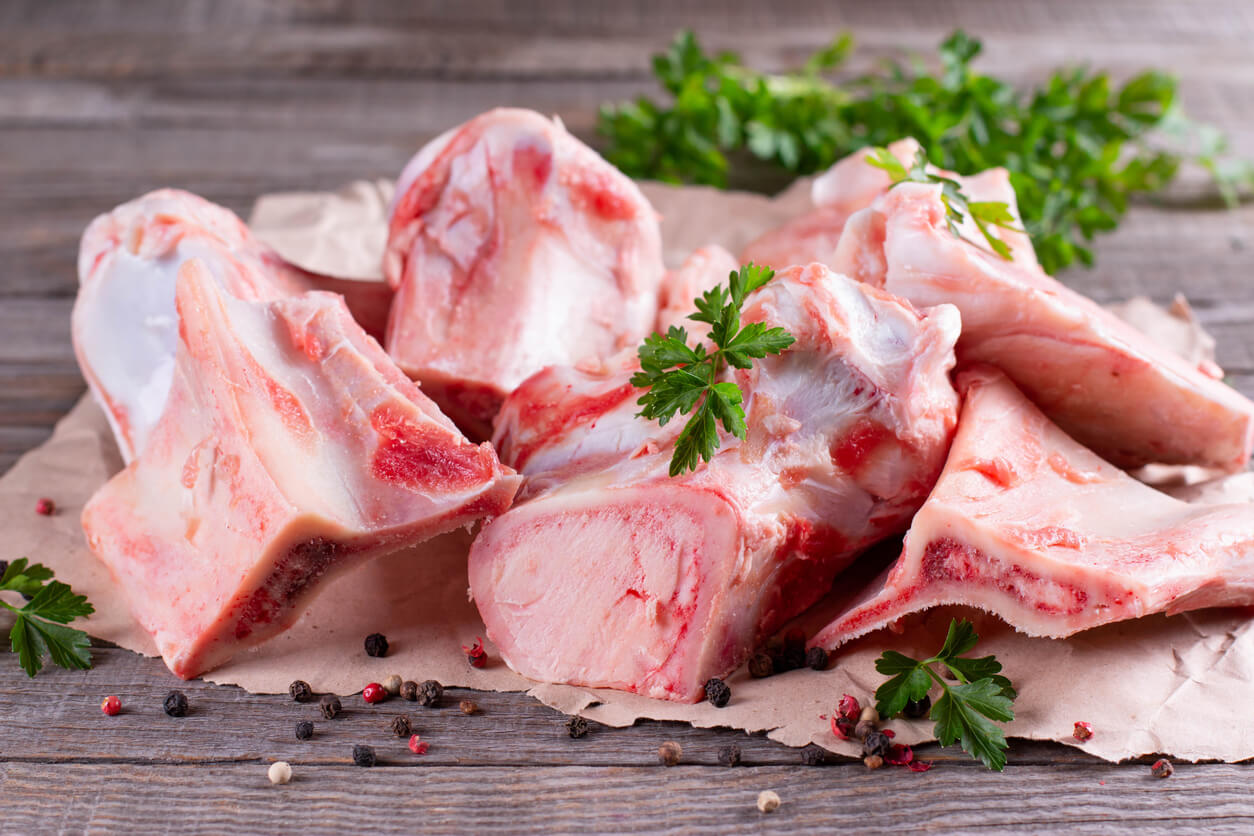
- Stock is for Body: A true stock is made primarily of bones and connective tissue. Its purpose is collagen extraction that dissolves into gelatine through a lengthy, slow simmer. A good stock is velvety and cools to become a firm, flavour-laden jelly. This gelatinous texture adds a robust and silky mouthfeel to sauces, gravies, and soups. For a great pork stock, you must have bones that have cartilage packed within them. Ask your butcher for port trotters, hocks, and tail bones. Neck and spine bones are also ideal. These are the collagen markers that will give your stock its body.
- Broth is for Flavour: Broth, on the other hand, is usually made from an even larger amount of meat and is made with just enough time of simmering to keep everything tender and to cook well. Its main function is to achieve a flavoured liquid ready for cooking as its own serving, or as a light base for a soupy instant meal. As a pork broth, you would use meatier bones like rib bones or bones from a shoulder joint. These impart a distinctly 'porky' taste faster than collagen-rich bones.
The ultimate liquid, often called a 'bone broth' in health and wellbeing circles, is a fusion of both: A long-simmered blend of bones that offers both deep flavour and a rich, gelatinous body. The butcher's secret is to use a combination. Using trotters for gelatine and meaty neck or rib bones for juicy depth provides a perfect mix of elements. Most importantly, choosing organic bones means that the animal has had a natural life that encourages stronger connective tissues and cleaner fat, producing a purer flavour and a final product that is more nutritious.
Maximising Flavour: Roasting Your Pork Bones First
To achieve a pork broth with a really deep, multidimensional flavour, and a gorgeous amber hue that is hard to resist, roast the bones first. Boiling raw bones will give a pale and unappetising result. Roasting them triggers a chemical reaction called the Maillard reaction. This is the process that creates the golden-brown crust of a loaf of bread or the sear on a steak.
When the proteins and sugars in the bones are subjected to the high heat and dry air in the oven, they change chemistry, producing hundreds of new aromatic compounds. These compounds turn into a deeper and more savoury flavour in the finished broth. The method is simple:
Preheat your oven to 200°C (180°C Fan). Spread pork bones as a single layer over a heavy roasting tray. Roast for 30-45 minutes, until they're fully browned and caramelised, turning them halfway through. When it's roasted, transfer the bones to your stockpot.
Don't wash the roasting tray. Lay it on the hob above a moderate heat, add a splash of water, and scrape off all the dark, sticky bits from the bottom using a wooden spoon. This flavour-loaded residue, known as the fond, is liquid gold. Pour this into your stockpot, and with it the bones. Just this single cooking step will take your broth from a mere stock to a kitchen marvel.
The Role of Organic Pork Bones in Traditional Cuisines
Pork broth is not a new concept: it's the backbone of some of the world's most cherished foods. Its unique ability to be both flavourful and clean-tasting has made it a regular fixture in hundreds of kitchens around the world for centuries. Nowhere is this more obvious than in Asia. The king of all pork broths is Japan's Tonkotsu ramen. Its name actually means 'pork bone', and the broth is a cream-based, opaque, rich liquid produced by boiling pork bones for up to 18 hours until the collagen and marrow have fully emulsified into the water.
Likewise, in Vietnam and China, pork bones are used as the savoury foundation in many noodle soups, or as the braising fluid in the mouthwatering pork belly recipes. And, European dishes have always known that pork is a valuable ingredient. In Germany, a rich broth created by simmering a pork hock (Schweinshaxe) is the foundation of a hearty sauce, typically served with dumplings. In Italy, pork bones are occasionally added to a classic 'brodo' to infuse it with an added richness and silky finish. All these traditional recipes share the same common thread: good quality pork.
To create that soul-altering real flavour, we need to focus on where the pork comes from. Using bones from organic, high-welfare pigs guarantees that the finished goods have no chemicals from industrial farming and will be rich in the pure, clean taste that can only be obtained from living a good life.
Are you ready to unlock this butcher's secret in your own kitchen? Unlock the depth and flexibility of organic pork broth today. It starts with amazing ingredients, which farmers in the industry source with integrity while upholding animal rights and organic farming. Discover the organic pork stock bones available at Eversfield Organic and kick off your flavour journey today.