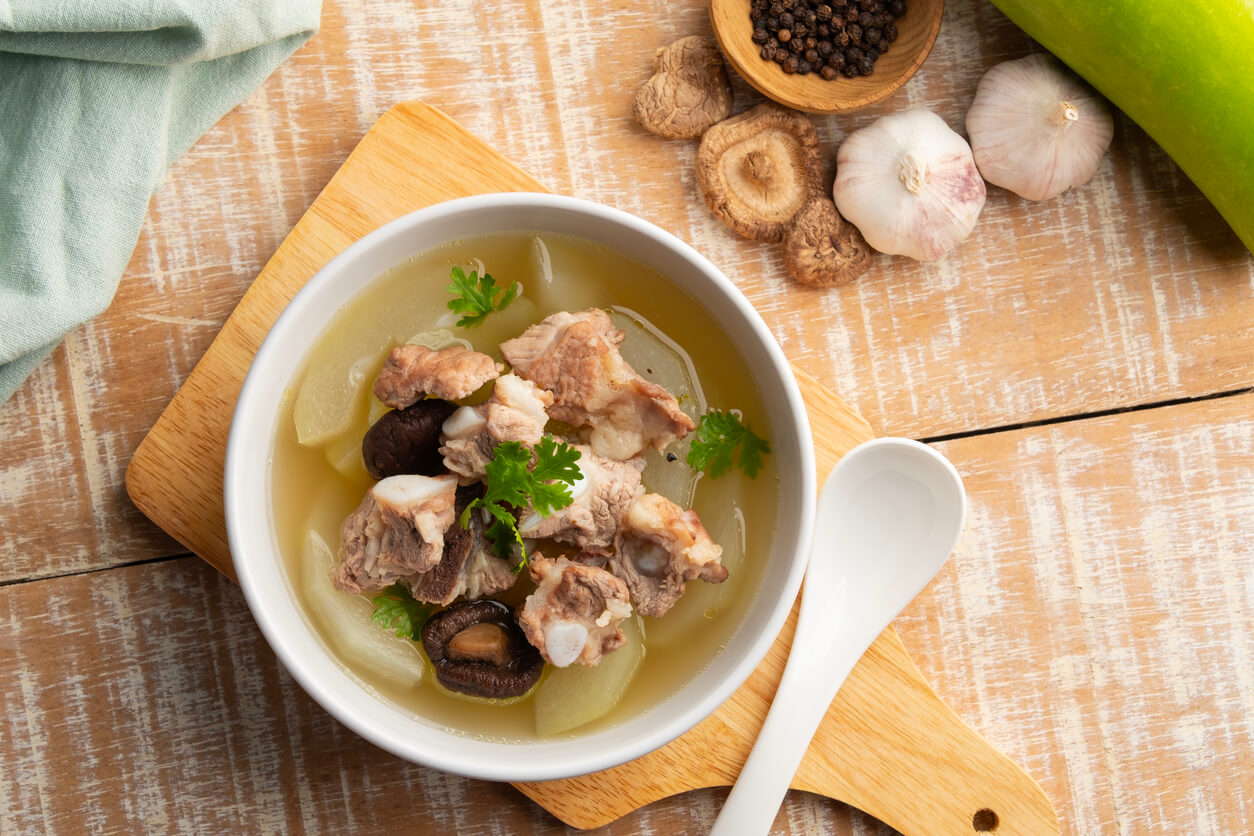
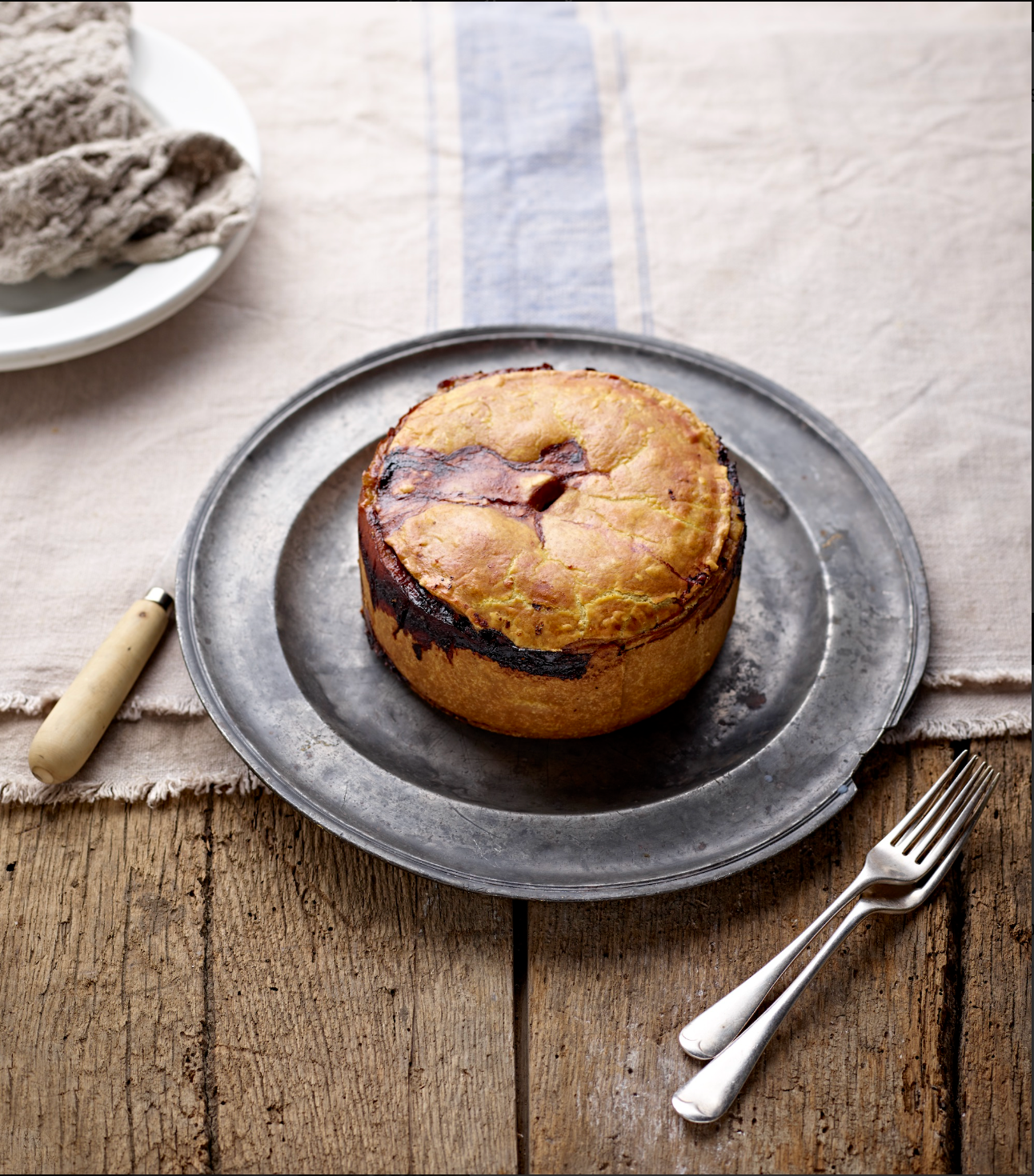
A stockpot simmering softly on a hob at our grandparents' house is a sight most of us are familiar with. The roast bones were never thrown away; they became a rich, flavourful basis for the week's soups and stews. It was an act of thrift and culinary wisdom. And today, science is following up on that age-old tradition by showing you how these humble bones are one of the most powerful superfoods you can have in your home.
But not all bones are created equal. The appeal of bone broth has inundated the market with alternatives, but the real benefits lie in the origin of the meat. To unlock this amazing nutrition, you need to pick bones from animals that have lived a healthy life and grown naturally.
Here's why organic beef bones are increasingly touted as a wellness imperative of the new generation and ways you can use them to nourish your family from the inside out.
Nutritional Breakdown: Collagen, Gelatine, and Trace Minerals
When you simmer beef bones of high quality for extended periods, you are conducting a kind of gentle alchemy. You are gently degrading the strong connective tissues and bone matrix to release a cascade of powerful, bioavailable nutrients into the water.
- Collagen and Gelatine: Collagen is the most abundant protein in the body – it's the building block of human skin, hair, nails, bones, and connective tissue. On cooking collagen, the liquid is converted to a gel: it becomes gelatine and then solidifies into broth when cooled. Gelatine is famous for its properties of healing the gut. It helps to seal the lining of the digestive tract in a way that can reduce inflammation, which contributes to the digestibility of other foods.
- Trace Minerals: Bones are the body's mineral reservoir. The slow-simmered broth can easily absorb valuable minerals such as calcium, magnesium and phosphorous that we can absorb minerals that are critical to our own bone density and nerve function. It also includes sulphur, silicon and potassium in doses that the body can easily consume.
- Amino Acids and Joint Support: Bone broth boasts a special amino acid profile, including glycine and proline, which are important to detoxification and repair of tissues. The bones with cartilage and connective tissue (like knuckle bones) also release the compounds glucosamine and chondroitin, compounds often marketed only to people as expensive supplements for joint pain and arthritis.
Most significantly, the nutritional density of skeletal bones shows the balance or lack thereof in the animal's health and food. An organic, grass-fed animal that has spent its entire life on a variety of pastures can expect to have a more powerful, healthier bone structure and thereby a far richer stock of nutrients.
The Difference Between Organic Bone Broth and Store-Bought Stock
It's easy to mix the two up, but there is actually quite a large difference between homemade organic bone broth and a cube or carton of supermarket stock. Mass-produced stock is commonly produced by boiling bones for very short periods, sometimes in powder and concentrates. Most manufacturers have used a bulk-produced broth and have added salt, monosodium glutamate (MSG), yeast extracts and artificial taste additives to fill the flavour void.
There is often minimal to no nutritional content or supply, and the bones are soured from extensive, factory farm practices where animals might have been subjected to routine antibiotics, growth hormone and pesticide-laden feed.
A real bone broth from organic bones is completely the opposite. It has only two main components: bones and water. The flavour is rich, complex, and savoury; it comes from the bones themselves, not from additives. The organic certification shows you that the animal was treated as a sentient being and raised strictly without GMOs, antibiotics, and pesticides. Poisons like these pile up in the bones and fat of all animals, so organic isn't just a moral choice – it's a must-make approach to preserve health and purity of the meat.
Selecting the Best Bones for Optimal Flavour and Health Benefits
To make an exceptional bone broth, you need a good combination. Using a mixture of bones will create a final product that is balanced in flavour and is full of nutrition.
- Marrow Bones: These are the big, straight bones – like the femur or shank. They contain delicious marrow (energy-rich and full of nutrients including vitamins A and K2), healthy fats, and a deep, strong flavour.
- Knuckle and Joint Bones: The bones with cartilage and connective tissue. They are where your collagen is mostly coming from, and will give your broth a nice, juicy, gelatinous texture when it's cooled – a sign of a great broth.
- Meaty Bones: Some oxtail or ribs have meat on them. They serve up a fine, deep, and savoury beefiness right at the finish line, perfect with the flavour profile.
For the best broth, use all three. A solid starting point is a combination of around 50% joint bones and 50% marrow and meaty bones.
Preparation Tips: Time, Acid, and Temperature for Perfect Extraction
The process for creating this liquid gold is fairly easy. It's an approach that rewards patience.
- Roast for Flavour: Roast your bones in a hot oven for 30-45 minutes until deep brown.
- Add an Acid: Place the bones in a stockpot or slow cooker and cover the contents with cold, filtered water. Add some acid, such as apple cider vinegar or lemon juice. Let this sit for 30-60 minutes before you turn on the heat. The acid helps start pulling the minerals from the bones.
- Mind the Temperature: Bring the pot to a boil, then slowly reduce the heat down to a very low temperature. You want a very gentle simmer – a few bubbles popping off the surface. A rolling boil will affect the fine gelatine and create a cloudy broth. Skim off any foam or scum that reaches the surface in the first hour.
- Embrace the Time: This is the most vital thing. Beef bones require extended, slow extraction in order to maximise their goodness. Aim for at least 12 hours, but 24 hours is even better. A slow cooker is ideal for this, as you can leave it on overnight without any risk.
- Strain and Store: Once done, let the broth cool and strain it through a fine-mesh sieve. You can save it in the fridge for a week or so (it should set like jelly) or freeze portions for months.
By rekindling this simple kitchen tradition, you are embracing a mighty tool of health. You are respecting the concept of nose-to-tail nourishment, the idea of making sure nothing is lost, and of consuming food so you can thrive – it's good for the gut, skin, and joints.
Ready to experience the bounty of liquid gold? Start on the path of becoming healthier by making your own high-nutrient bone broth. It begins with top-notch ingredients from animals raised in harmony with nature. Browse our range of organic beef stock bones and marrow bones from Eversfield Organic today.