Picture that authentic English breakfast: eggs and bacon, and plump sausages. We've been conditioned to see a rosy, pink hue in sausages as a mark of a delicious, well-made banger. But what if we told you that the finest, most healthy sausages shouldn't turn pink - would you be surprised?
When you prepare a certified organic sausage, you might see that it becomes a rich, savoury greyish-brown, like cooked pork mince. But this colour isn't something to be concerned about – but rather, to be proud of. It's the visceral evidence that you're about to eat a sausage that is made with your best interests in mind, without any chemical additives. To understand why organic sausages look different, it's important to come to terms with the fundamental divide between industrial food processing and traditional, natural food crafting.
The Role of Nitrates in Conventional Sausage Curing
The ubiquitous pink colour of traditional bacon, ham, and sausages is not from nature. It is caused by the addition of curing salts – notably sodium nitrite (E250) and sodium nitrate (E251). These chemical compounds are applied to mass-produced meat products for three main reasons:
- Preservation: Nitrates are first and foremost effective molecules in inhibiting the growth of harmful bacteria, such as Clostridium botulinum, causing life-threatening botulism. This was a critical food safety function before modern refrigeration.
- Colour: Nitrates bind to a protein found in meat, called myoglobin. This chemical reaction 'fixes' the colour of the meat, forming a stable pinkish-red pigment that remains stable and does not turn brown when cooked. It's a purely cosmetic action to satisfy consumer desires.
- Flavour: Nitrites also produce a sharp, tangy 'cured' flavour that's associated with products like bacon.
Effectiveness notwithstanding, the use of these additives is not without debate. There is an emerging interest from health establishments as well as the general public in the possible health effects of consuming high amounts of processed meats containing nitrates and nitrites.
The Organic Approach: Relying on Traditional Methods and High-Quality Meat
Under strict regulations set by bodies such as the Soil Association, food production on organic soil operates with an entirely different philosophy. Guaranteeing a quality product is given top priority. The aim is to create food as naturally as possible, but with minimal processing and a ban on artificial additives like synthetic nitrates and nitrites.
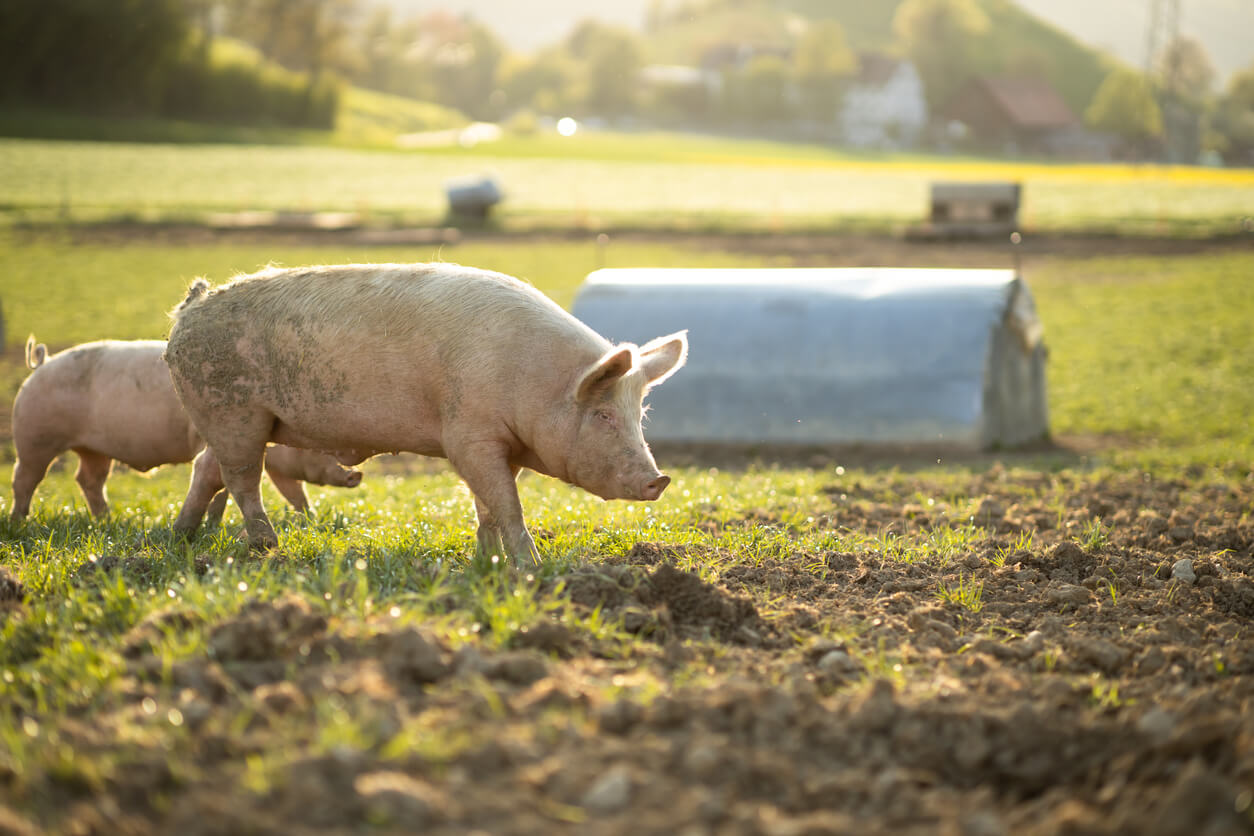
So, how do organic producers get a safe, tasty sausage without them? They go back to basics. The first and foremost ingredient is excellent meat. Organic sausages come from pigs that have been raised to live healthy and active lifestyles. The meat is so good that it doesn't require artificial enhancers to taste good or cosmetic additives to look great.
Organic producers use the same basic ingredients that have existed for millennia for preservation and flavour:
- Salt: The authentic, natural preservative. Salt holds moisture out so that the atmosphere does not allow spoilage bacteria to come into contact.
- Herbs and Spices: A carefully selected blend of herbs and spices like sage, thyme, pepper, mace and nutmeg not only creates a delicious, complex flavour profile but also contributes natural antimicrobial properties.
- Chilling and Freezing: Fresh food safety depends on a robust cold chain. There is no need to use chemical preservatives because the sausages are well chilled or frozen.
Without nitrates changing the colour of it, the pork mince in an organic sausage behaves exactly as it is supposed to. When heated, the myoglobin in the meat denatures and turns a brownish grey colour. This is the true colour of cooked pork. It indicates that you are consuming pure meat and seasonings, with none of the other stuff.
What to Look for in a Truly 'Clean Label' Sausage
As the marketing landscape grows ever less clear, the concept of 'clean label' has come to the forefront to capture that category of products featuring short, uncomplicated, easily understandable ingredient catalogues. An organic sausage is the very definition of a clean-label product. If you want to make sure that you are buying the right meat, look out for:
- The Organic Logo: Look for a certification marking like the Soil Association logo. This guarantee ensures that the product lacks artificial nitrates, nitrites, and any other artificial materials. It also guarantees that the pork is from animals brought up in the highest standards of welfare.
- A High Meat Content: The meat-forward quality of the sausage should generally be high. Look for a very substantial pork content at 85% or above. Lower percentages tend to translate to the sausage being bulked out with cheap fillers.
- A Simple Ingredient List: The ingredient list on the back of the pack should be short and identifiable. You should look for: Pork, Water, Rusk, Salt, a list of herbs and spices. If E numbers or chemically sounding names are on the list, it's not a naturally occurring sausage at all.
- Beware of 'Nitrate-Free' Claims: Certain products promoted as 'nitrate-free' include ingredients such as celery powder or celery juice as a 'natural' substitute. However, these constituents are also inherently high in nitrates, which turn into nitrites in the product. Though it is arguably better than the synthetic options, certified organic standards usually ban such a workaround, aiming for a sausage that is really free of added curing agents.
Experience the Authentic Taste of Tradition
The next time you are looking for the perfect sausages, don't be distracted by the artificial pink colour that has been added. Look for sausages that promise purity instead of prettiness. A natural cooking colour is a sign that the producer has prioritised quality of meat and traditional butchery over chemical shortcuts. It's an indicator of a sausage that you can feel good about eating.
Ready to taste a real British banger, made with nothing but certified organic pork and simple, natural seasoning? Our sausages are an expression of that spirit and a testament to the fact that the best food is made the honest way.
Check out our complete menu of certified organic, nitrate-free sausages from Eversfield Organic today.