

January is a time when many of us begin looking inward, reflecting on how we feel and how we want to feel going forward. Long nights, colder weather and a natural dip in post-festive energy can make winter feel heavy on both the body and the mind. It’s during this quieter season that nutrition matters most — not just for immunity, but for mood and overall wellbeing.
The Gut–Brain Connection: More Than a Buzzword
We often hear about “gut health” in wellness spaces, but what’s now widely understood is just how closely the gut and brain communicate. Our gut is home to trillions of microorganisms that help manage everything from digestion and energy to immune function and even serotonin — a key hormone linked to happiness and emotional balance.
This two-way communication is known as the gut–brain axis, and it explains why nervousness can give us butterflies, stress can cause digestive issues, and — importantly — why nourishing our gut can have a positive effect on how we feel mentally.
Organic Meat & Nutrient Density
So where does organic meat come in?
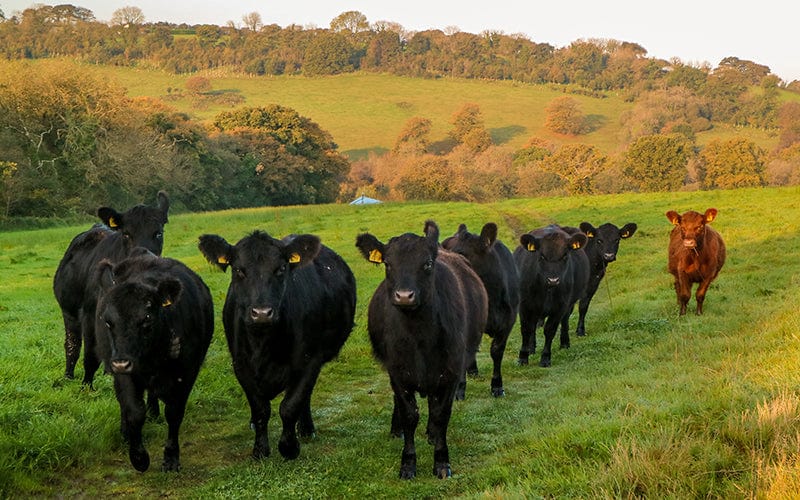
High-welfare, organic livestock raised on pasture naturally develop richer nutrient profiles — higher in omega-3 fatty acids, B vitamins, iron, zinc, protein and essential amino acids. These are building blocks for:
-
the immune system
-
neurotransmitter production
-
energy metabolism
-
muscle and cell repair
-
hormonal balance
Minerals like zinc and iron are essential for both immune resilience and mental clarity, while B vitamins support everything from mood regulation to fatigue management — nutrients many people unknowingly struggle to get enough of in winter.
Because organic farming prohibits routine antibiotics, growth hormones, and unnecessary preservatives, the food reaching your plate is closer to nature, easier for your gut to process, and better aligned with how our bodies evolved to absorb nutrients.
A Winter Priority: Immune System + Mood Support
Winter places more demand on our bodies than we tend to realise. Less sunlight reduces vitamin D levels, our circadian rhythms shift, and cold weather can suppress immune responses. Paired with shorter days and reduced outdoor activity, it’s no wonder January is closely linked with sluggishness, low mood or “winter blues.”
Nutrient-dense, organic foods — especially high-quality proteins — offer sustained energy and support both the immune and nervous systems at a time they need it most.
Looking After Ourselves in January
Supporting the gut–brain connection doesn’t have to be complicated. Small, nourishing habits make a difference:
-
Eat real, minimally processed foods
-
Prioritise organic where possible
-
Choose pasture-raised proteins
-
Include seasonal vegetables and slow carbs
-
Stay hydrated, even in cold weather
-
Get natural daylight for your body clock
-
Move gently but consistently
-
Rest properly and avoid overstimulation late at night
It’s less about restriction and more about care — feeding ourselves in a way that supports the entire body system.
Food as an Act of Care
At Eversfield Organic, we believe organic farming isn’t just better for the soil, the animals and the planet — it’s better for the people eating it. Every choice made on the farm influences nutrient quality, flavour, and ultimately how well we feel.
In winter, nourishment becomes a quiet form of self-care — helping us through darker days with more resilience, warmth and clarity. And if we can support our mood, immunity and energy through something as primal and joyful as food, it makes January feel less like a hurdle and more like a reset.


1 comment
Marion Dill
Dear Eversfield Team,
Thank you very much for the article about slaughter. It has always been important for me how the animals we eat end their life, so I appreciate this additional informaton. Delighted to hear that the chickens are killed on-farm – a far cry from mass-produced poultry that often is beheaded unstunned by chainsaw-like methods. Knowing that there is as little stress and pain as possible after a life beeing well looked after, respect and care at the last minute is the least we can ask for. You can taste it in the meat itself. Since my husband’s death we eat little meat, but my recent Eversfield order was delicious to prepare, cook and enjoy. I look forward to ordering from you again soon. Kind regards, M Dill
Dear Eversfield Team,
Thank you very much for the article about slaughter. It has always been important for me how the animals we eat end their life, so I appreciate this additional informaton. Delighted to hear that the chickens are killed on-farm – a far cry from mass-produced poultry that often is beheaded unstunned by chainsaw-like methods. Knowing that there is as little stress and pain as possible after a life beeing well looked after, respect and care at the last minute is the least we can ask for. You can taste it in the meat itself. Since my husband’s death we eat little meat, but my recent Eversfield order was delicious to prepare, cook and enjoy. I look forward to ordering from you again soon. Kind regards, M Dill