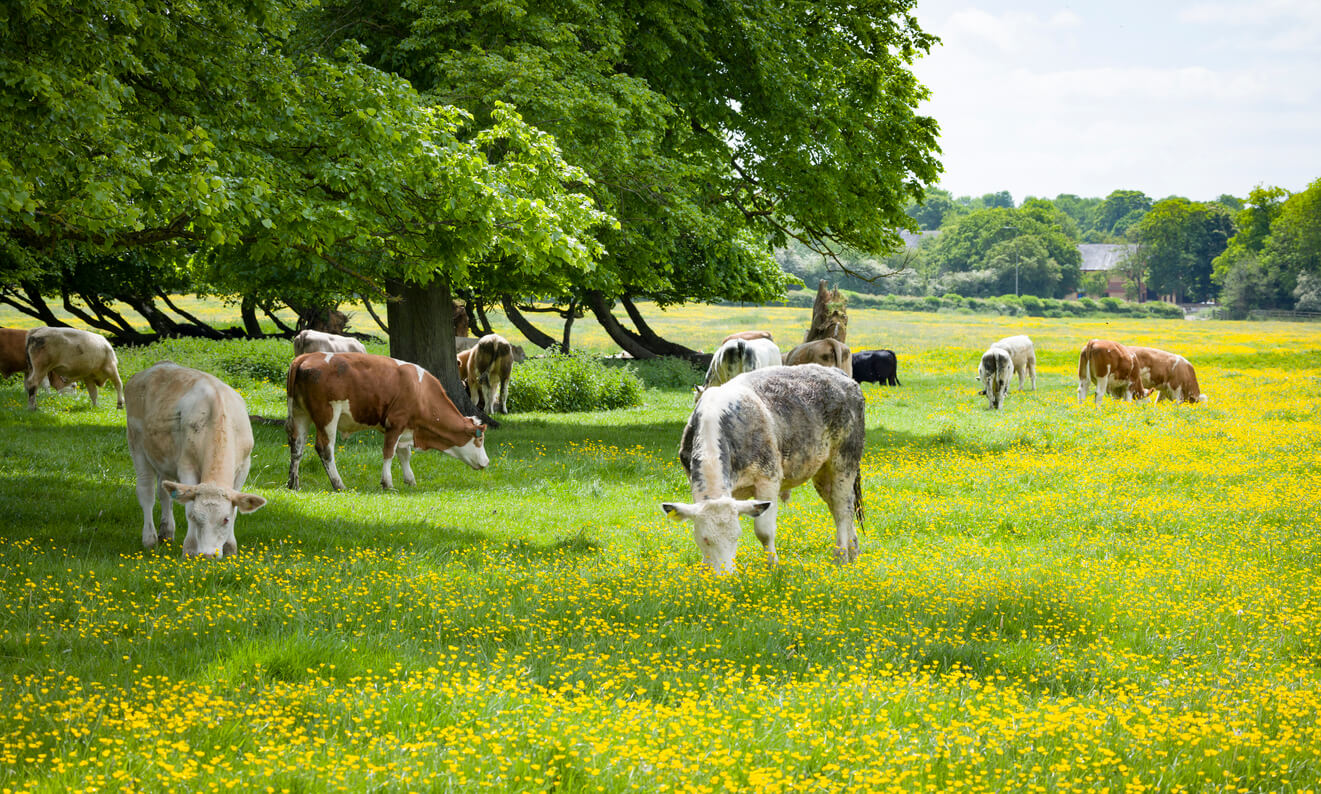
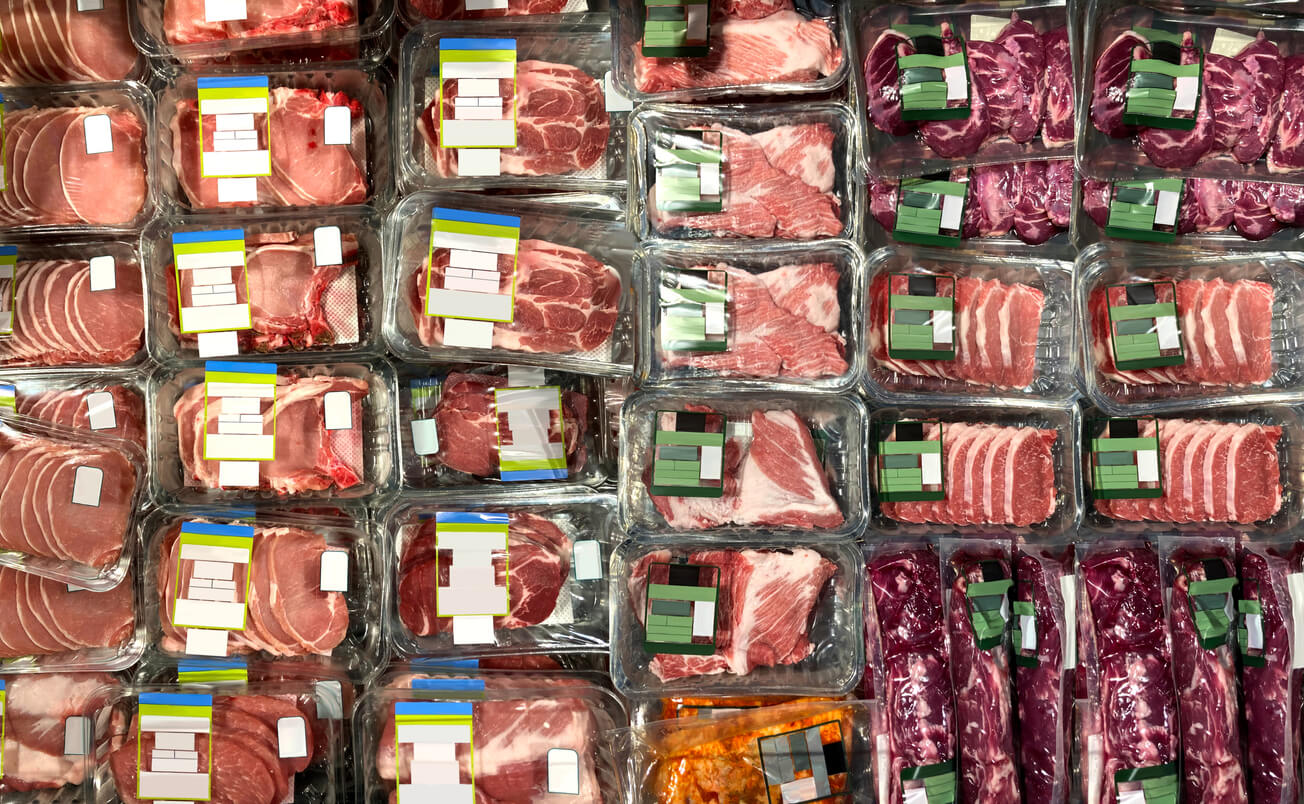
You spot it on dozens of packages in the supermarket meat aisle: the famous Union Jack, sometimes featuring the words 'Packed in the UK' or 'Produced in the UK'. The image is designed to evoke views of rolling green hills, strict welfare standards and local British farming. It has a reassuring, patriotic feel and trustworthiness above all. But what if this trust was misplaced? What if that label actually amounts, most exclusively, to just a marketing tool?
The truth is that a lot of the labels we depend on to drive our decisions are purposefully ambiguous labels. They disguise a globalised, industrialised supply chain, which values profit over provenance, welfare, and transparency.
In the haze of advertising, one label can cut through the confusion clearly: Certified Organic. And the leap from a simple packaging claim to a hard organic certification is the first step to understanding what you are consuming.
The 'Packed in the UK' Shell Game: Where Does the Meat Really Come From?
Let's be real – the label 'Packed in the UK' means only one thing. The final slicing, mincing, or dumping of meat inside the plastic tray occurred on British soil. It provides no confidence whatsoever on where that animal was either born, reared or slaughtered.
The beef in your mince might have come from a feedlot in South America, the chicken in your fillets from a mega-farm in Thailand, or the pork in your sausages from an intensive system in Poland. The meat can be frozen, shipped thousands of miles and thawed and processed in a UK factory.
This is, of course, legal, but it has created a huge gap between consumer perception and reality. And it's not just about food miles. Countries have dramatically varying (and often lower) norms on animal welfare, environmental protection and antibiotics.
By concealing the actual country of origin behind a conveniently patriotic flag, the industrial food system is able to import meat produced in situations that would be heavily scrutinised – and even criminalised – in the UK and sell it disguised as Britishness. It is a shell game, when the flag keeps you from having to ask the most important question: What is the real story of this animal's life?
The Soil Association Guarantee: Full Traceability from Birth to Butchery
Consider that vagueness against the ironclad assurance of a certified organic label – the UK's leading organic certifier, the Soil Association. This is not a hazy statement of geography; it is a binding legal deal, ensuring a total and continuous transfer of custody. An article of meat that bears the Soil Association logo has to meet some of the strictest regulations on earth, and must be audited at each step:
- The Farm: The animal has to be born and raised on an accredited organic farm where it is fed 100% organic, non-GMO food.
- The Fields: The land itself needs to be run organically, free from synthetic fertilisers and pesticides, promoting biodiversity and healthy soil.
- Transport & Abattoir: Animals that are taken to a certified organic abattoir undergo thorough monitoring and supervision to reduce distress.
- Butchery & Processing: Every processing area for the meat, from the butcher to the sausage-maker, must also be certified organic, which means nothing is cross-contaminated with non-organic products.
This results in a direct audit trail, never to be broken. A code on the final package can connect that particular steak or joint not just with a country but with the particular farm and even a batch of livestock. It is known as the gold standard of transparency, replacing marketing phrases with documentary data. When you see the organic logo, you get the whole story and not just the last chapter.
Understanding the Welfare Gap: Organic Standards vs. Budget Labels
The 'Packed in the UK' loophole does more than obscure origin; it obscures welfare. The UK has basic welfare standards, but imported meat from overseas can be sourced from systems that lag dramatically behind. Even in the UK, standard intensive farming is worlds away from the life available to an organic animal. The difference is not trivial – it is one of the most serious flaws in the quality of an animal's living.
- Space and Freedom: Standard regulations permit very high stocking densities, which allows animals to be confined to crowded indoor conditions for an entire lifetime. Under organic standards, however, true free-range access to pasture is needed. Animals need ample room to roam, graze, and express their own behaviours.
- Antibiotics: Often, during such intense conditions, there is a regular and proactive use of antibiotics, which helps to prevent organisms from spreading disease to crowded, stressful places. This is part of the worldwide epidemic of drug-resistant bacteria, which we are all beginning to see around the globe. Organic standards strongly prohibit the common use of antibiotics. They are used only when an animal is truly ill, not as a preventative crutch in poor husbandry.
- Diet: Traditional animals are fed crops that are rapidly grown, typically imported soy and corn, genetically modified. On the other hand, organic animals are fed a natural diet such as grass and forage, which is better for them, and it gives you a more nutritious end result compared to a conventional product. Selecting organic is a direct vote for a welfare-oriented system that puts animals first and foremost, ensuring they have a life well-lived.
Empowering Your Choice: Questions to Ask Before Buying Meat
Navigating the supermarket can seem dispiriting, but knowledge is power. When you next buy meat from a supermarket or a local butcher, look further than the flag. Ask the following questions:
- "Where was this animal born and raised?" This goes right to the 'Packed in the UK' ambiguity.
- "Is this meat certified by an organic body like the Soil Association?" This is asking for proof, not a mere promise.
- "How was this animal raised? Did it live outdoors on pasture?" This focuses the discussion on welfare.
- "What was this animal fed?" This question raises the issue of the health of animals and the environmental footprint of their feed.
A butcher will know the answers. A supermarket should be capable of supplying them. If they can't, it informs you of everything you need to know about their commitment to transparency.
Choosing meat is among the strongest votes you can place for the type of food system you'd like to back. Don't let your choice be made for you by confusing labels. Call for transparency, spend your money on integrity, and buy certified organic meat that tells a story you can be proud of. At Eversfield Organic, we provide complete traceability and transparency in every product we deliver.