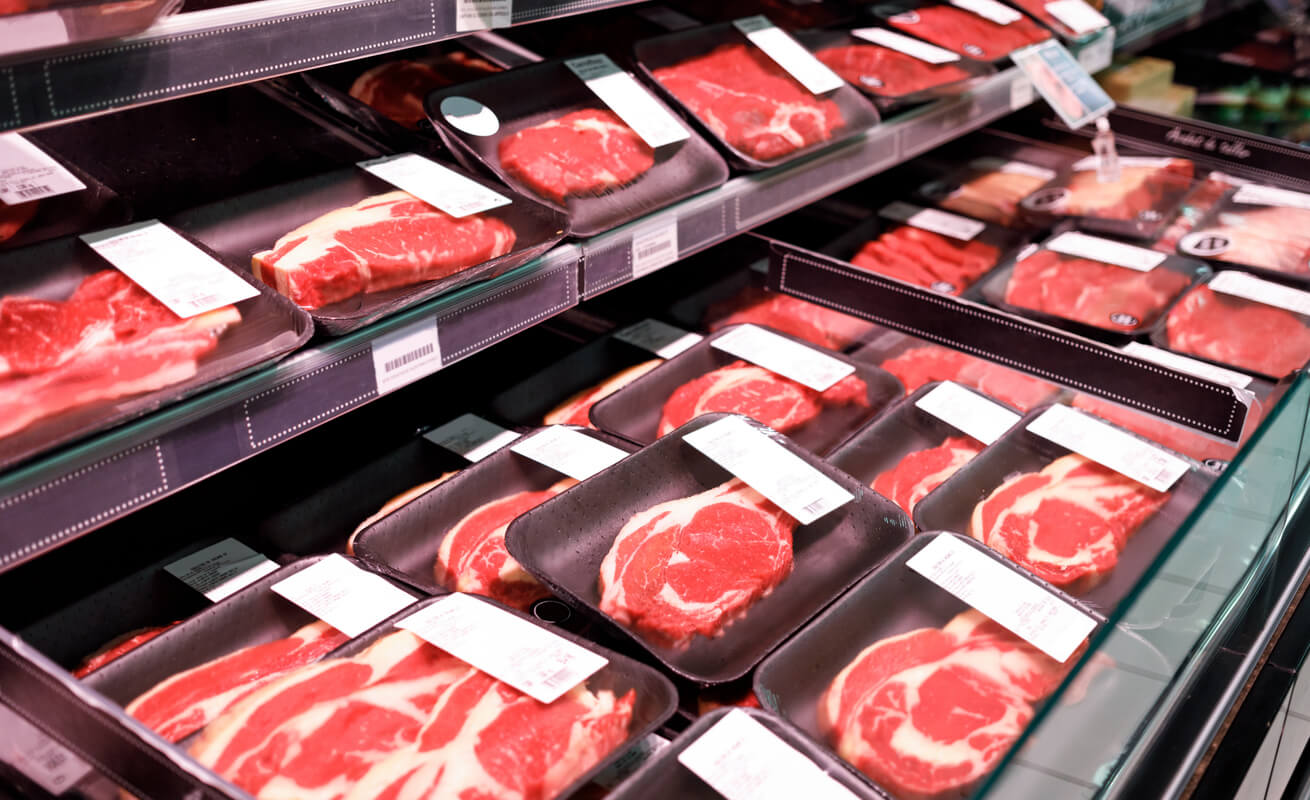
Picture this: You are in the grocery aisle, staring at two packages of minced beef. One has a price that sounds almost too good to be true. The other, which is an organic, pasture-raised option, demands a larger investment. The cheaper one seems the immediate, logical choice. After all, a pound is a pound. But what if that low price is simply an illusion? What if it is a carefully constructed fiction which conceals a mountain of debt – a debt not charged to your credit card, but to our planet?
The sticker price on industrially produced meat is phony. It is a fraction of what we're actually paying. The rest is paid for with eroded soil, poisoned rivers, and a disrupted climate.
At Eversfield Organic, we believe that it's about time we looked at the hidden ledger behind cheap meat and understand why selecting high-quality organic meat is one of the most critical investments you can make for a healthier future.
Defining the 'Real' Price of Industrial Meat Production
The low cost of conventional meat is because of what economists call externalities. They are the added costs of production that are not being paid by producers or consumers but rather passed on to society and the environment. It's like an accounting trick on a planetary scale.
When a factory farm contaminates a river with animal waste, the cost of cleaning that water – or the loss of ecosystems within it – isn't factored into the price tag of their steak. When huge sections of land are degraded to make cheap feed, the price of losing that topsoil and biodiversity is a bill passed onto new generations. These are not abstractions. This environmental debt shows up as:
- Greenhouse Gas Emissions: Methane emissions from livestock and nitrous oxide from fertilisers play a vital role in climate change.
- Water Pollution: The runoff from fertiliser use and concentrated animal feeding operations (CAFOs) generates toxic algal blooms and massive 'dead zones' in our oceans.
- Soil Degradation: Intensive agriculture kills off organic soil and turns fertile land into dust.
- Loss of Biodiversity: Habitats are wiped out to make way for huge, monoculture farms.
- Public Health Crises: The overuse of antibiotics to keep animals healthy in crowded conditions has contributed to the rise of antibiotic-resistant superbugs.
All of that is ignored by the price you see in the supermarket. It is a subsidised figure, sustained by the silent depletion of our natural world.
The Environmental Drain: Fertilisers, Monoculture, and Water Use
To grasp the extent of the problem, we have to focus on the engine that powers industrial agriculture: the relentless search for efficiency, no matter what the cost. Such a system is built on a shaky foundation of environmental devastation.
First, synthetic fertilisers. Making nitrogen fertiliser – which is needed to grow the enormous quantities of corn and soy that are used to feed animals – is an energy-intensive, fossil-fuel-intensive process. When applied to the fields, much of the fertiliser isn't taken up by the plants. It washes into rivers and groundwater, poisoning aquatic life and polluting drinking water on its way, creating dead zones.
Second, monoculture. This is industrial agriculture at its root: cropping single crops on thousands of acres. These biological deserts eliminate biodiversity, from insects to birds, and the necessity for ever-rising levels of chemical pesticides and herbicides. It's an alarmingly fragile system that is vulnerable to disease and pests and tears apart the complex, resilient ecosystems. Plus, the corn and soy that have been cultivated in a chemical bath are the basis of the cheap meat on your plate.
Finally, water use. The water footprint of industrial meat is enormous. It takes thousands of litres of water to produce a single pound of conventional beef. This is not only the water the animal drinks; it is the tremendous amount needed to irrigate the feed crops it consumes throughout its life. In an age of escalating scarcity of water, that represents an unjustifiable extravagance.
Ecosystem Services: The Value of Biodiversity on an Organic Farm
Contrast that sobering picture with a properly managed organic or regenerative farm. This isn't just about not using chemicals; it's about working with nature to make a healthier, more resilient system. These farms aren't simply producing food – they're producing 'ecosystem services', which offer life-sustaining benefits provided at no charge by a healthy environment.
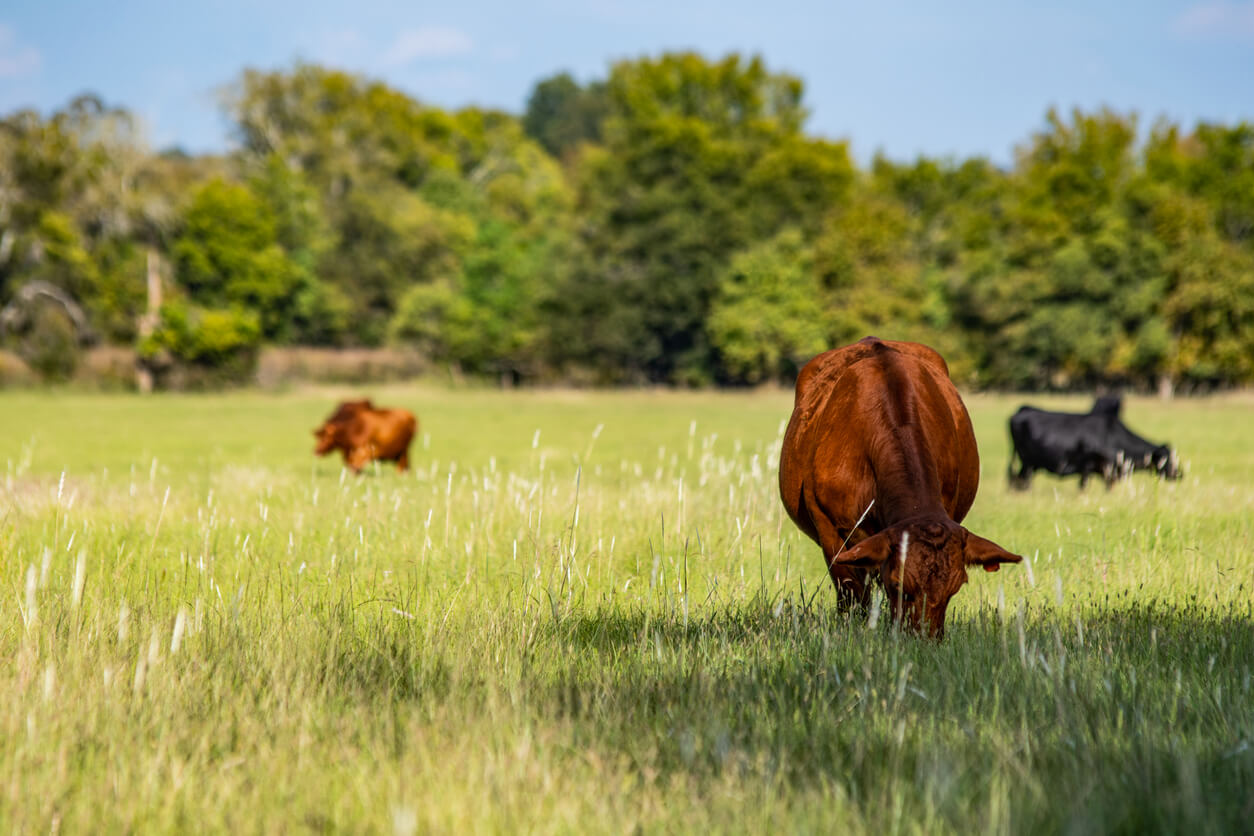
On a well-managed farm, rotational grazing means that the animals are always being moved, and their manure is not a pollutant, but rather a natural fertiliser. This practice promotes deep-rooted grasses that help to contain erosion and create rich, dark topsoil. That healthy soil is transformed into a living sponge, which can store vast quantities of water, not to mention sequester carbon from the atmosphere. Rather than monoculture deserts, there is a symphony of life instead.
These varied pastures, cover crops, and hedgerows create habitats for pollinators, beneficial insects, and wildlife. By replacing synthetic pesticides, these farms are sanctuaries for the very creatures that our industrial food system is decimating. This isn't just beautiful biodiversity; it's functional. It builds a resilient farm, resistant to drought, pests, and disease.
How Consumer Spending Supports a Climate-Friendly Food System
Every pound we spend on food is a vote for the kind of world we'd like to live in. By shopping for cheap industrial meat, we are, however, unwittingly casting our vote to pollute water, erode soil, and create a destabilised climate. It is supporting a system that values short-term profit over long-term planetary health.
But when you purchase meat from an organic, regenerative, or pasture-raised source, you are voting strongly for something different. You are investing directly in the farmers who are responsible stewards of the land, helping fund the rejuvenation of our soils, the maintenance of our waterways, and the sequestration of carbon from the atmosphere.
You are investing in a food system that prizes fortitude and resilience over reckless efficiency and integrity over illusion. The decision you take at the meat counter is one of the most significant environmental decisions you make every week. It's a direct line of support to a climate-smart future.
So, the next time you are comparing these two kinds of meat, don't focus solely on the price. Identify the hidden costs and the hidden value. The choice isn't between high-priced and low-cost meat. It's between paying the true cost of a healthy planet now or forcing future generations, with interest, to pay for our environmental debt. Choose to invest. Your table, and the world, will thank you for it.
If you have any further questions about our ethical practices, get in touch with our team here.