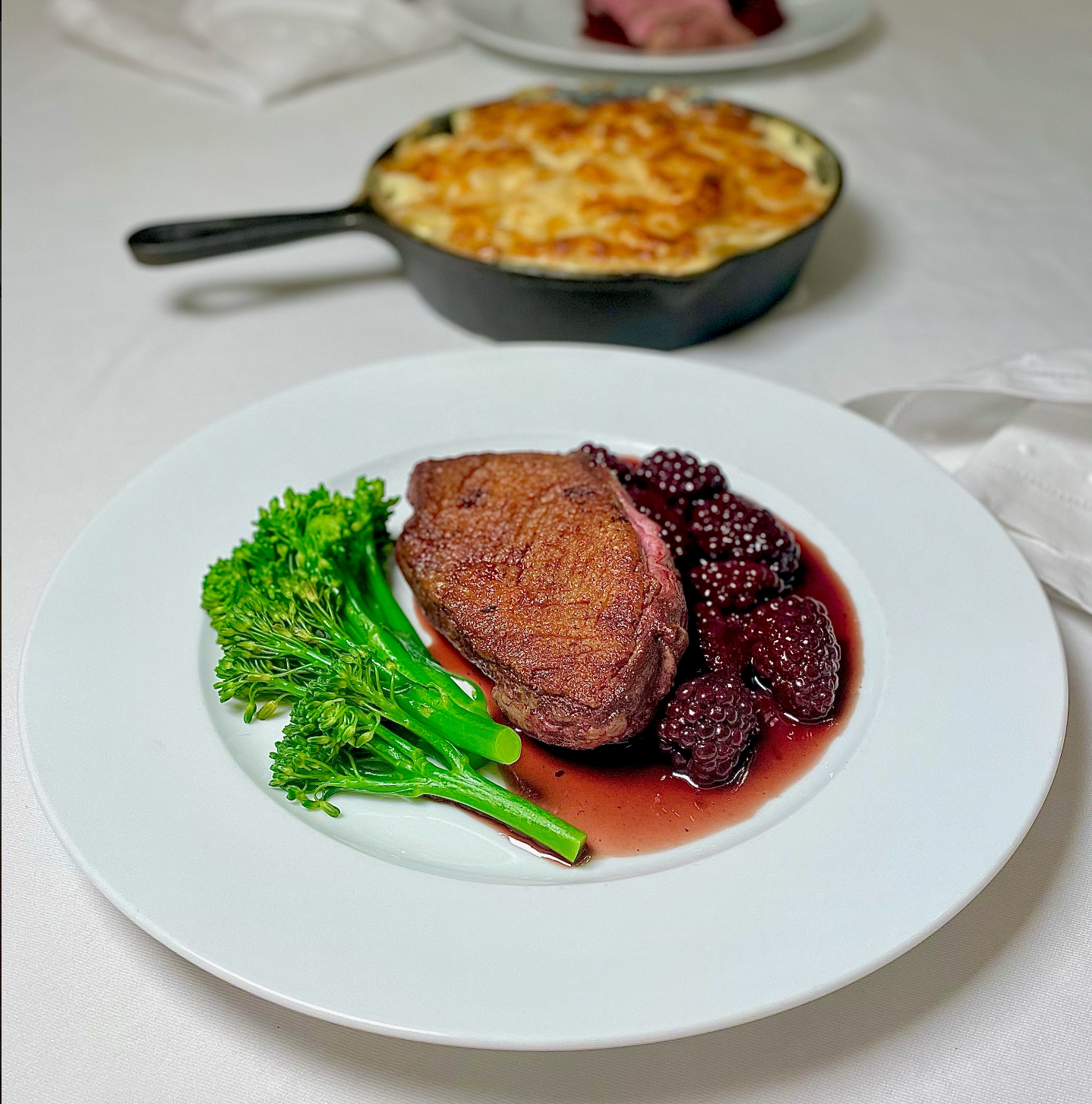
When you bite into a truly sublime piece of beef – a perfectly seared steak or a succulent Sunday roast – the richness of flavour can't be beat. It's delicious, intricate, rich and satisfying, and it's impossible to replicate that quality of meat in mass production.
But what's behind the better taste? It starts well before the cut of meat or the skill of the chef – it begins in the pasture.
At Eversfield Organic, we believe that the best beef comes from regenerative farming. This is not about simply being 'organic'; it is a holistic approach that centres on restoring the land, developing biodiversity, and treating animals with the greatest respect. Regenerative farming is all about 'putting more back into the land than we take out'.
The end result is not only a healthier planet, but a flavour and texture of beef which is, quite frankly, in a league of its own.
The Impact of a Diverse, Grass-Fed Diet on Marbling and Fat Composition
The word 'terroir', commonly used in wine, refers to how the environment, soil, climate and landscape, imparts a distinct character to the final product. The same reasoning goes for meat, too. Regenerative grazing is the secret sauce that unlocks a rich and complex terroir in our beef.
Our grazing doesn't drain the earth; it increases soil health. Our cattle are always moving, which aerates the ground. Their manure is a source of natural fertiliser, and the variety of pasture plants provides a deep web of roots that give us a healthier underground ecosystem.
This healthy living soil is a rich place of living beneficial microbes, breaking down organic matter, and providing necessary minerals and nutrients to the plants. Our cattle eat these nutrient-rich grasses, clovers and herbs, and the flavour ingredients are stored in the muscle and fat tissue of the animal.
The result is beef not only with a remarkable depth, but a nuanced, earthy flavour profile that is not available in meat from animals raised on depleted soils or fed a monotonous diet. It tastes like a healthy, vibrant landscape.
It's well known that 'you are what you eat', and the same is true when it comes to cows. While conventionally raised animals are often fed high-energy grains in pursuit of growth, our cattle eat a 100 per cent grass-fed diet, roaming around in sprawling, diverse pastures. The natural diet has a significant impact on the composition and flavour of the beef, and, by extension, its fat.
The fat from grass-fed animals is chemically different. It's also higher in healthy Omega-3 fatty acids and has a preferable Omega-6 to Omega-3 ratio. It is also richer in Conjugated Linoleic Acid (CLA). Not only does this provide great health benefits, but they also make the beef taste better. Grass fats tend to be cleaner and 'beefier' in taste. You may also observe a slight golden colour in the fat that is derived from a pigment known as beta-carotene, a pigment in fresh grass that the animal converts to vitamin A.
The slow but organic and well-balanced growth on pasture can cause smooth, sophisticated marbling throughout the muscle rather than only thick layers of external fat. When cooking, the delicate marbling melts, providing basting from within and ensuring that every bite is juicy and full of taste.
Reduced Stress: How Welfare Practices Influence Meat Quality
At Eversfield Organic, ethical treatment isn't just a buzzword; it's fundamental to everything we do. A belief that our animals should be allowed to have natural behaviour, with lots of space, fresh air, and care. This low-stress lifestyle is not just morally right; it has a scientifically supported effect on meat quality.
A stressed animal's body releases hormones like adrenaline, and those hormones make muscles burn up energy (glycogen) faster. If an animal is stressed just before slaughter, its muscles will only have very little glycogen left. This inhibits the pH level drop of the meat post-processing, leading to what's known as DFD (dark, firm, dry) meat. DFD beef is also typically tough, retains less moisture and has a shorter shelf life.
By ensuring that our cattle are given quiet, happy lives out in good pasture, we avoid doing that. Because of the consistency, meat remains tender, succulent and holds its natural juices – the kind of quality that can only come from a determination to achieve the highest welfare.
Water Content and Texture: Why Slow-Grown Meat Cooks Differently
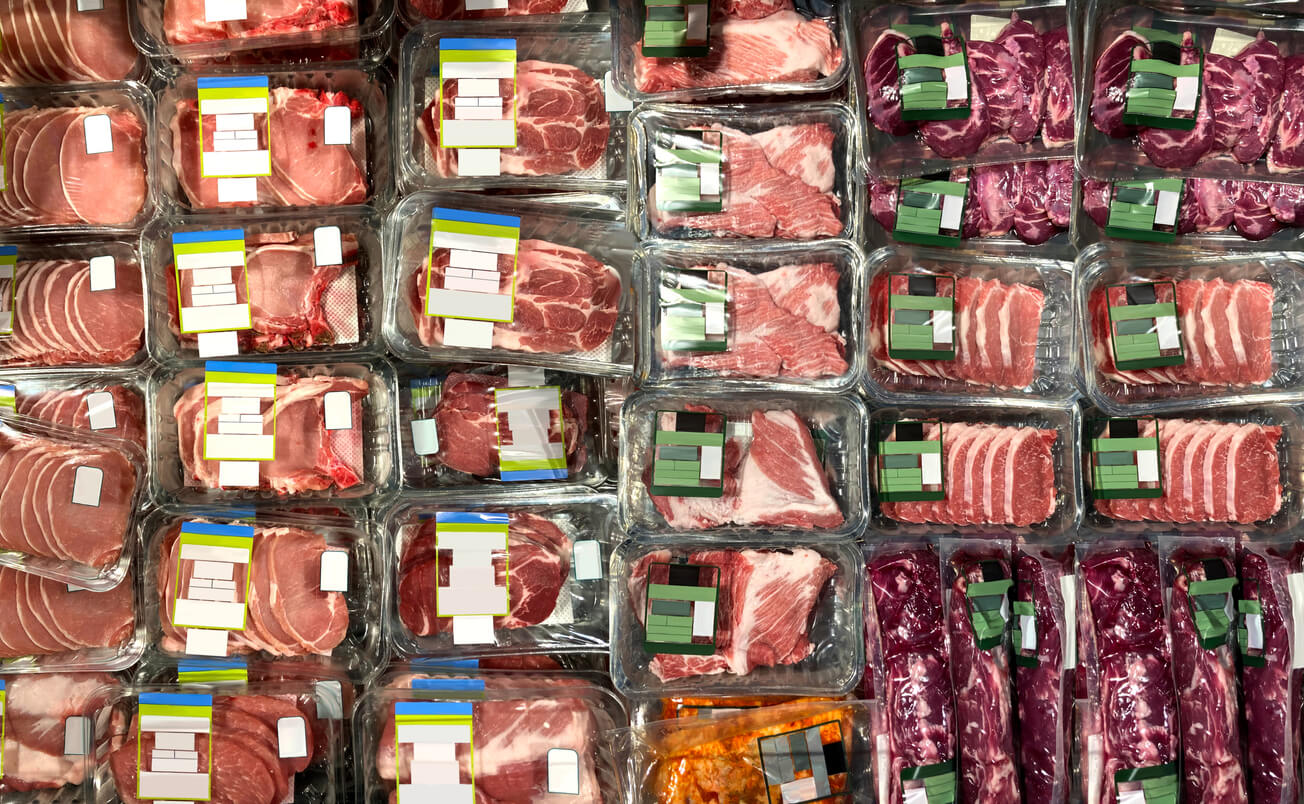
Lots of the meat that you find sold in supermarkets comes from animals that are raised as quickly and as cheaply as possible. Such accelerated growth, often stoked by grain, results in muscle tissue with a higher percentage of water. When you cook this kind of meat, much of that water evaporates, which results in the cut shrinking in the pan and often a dry, less flavourful meal.
On the other hand, our regeneratively-grazed slow-growth beef forms denser, more resilient muscle fibres, but with a naturally lower water content. An Eversfield Organic steak or joint will shrink less while still retaining its moisture when you cook it. The texture is meatier, more satisfying, and the flavour concentrated and intense. It's the difference between beef that has been rushed and beef that has been nurtured and given time to grow.
The path to great flavour starts with a deep reverence towards the soil and finishes with an ethical perspective that respects the animal. Every single thing we decide to do – caring for the pastures, providing a stress-free environment – is an important component in the end product. This is flavour with purpose; we invite you to taste the difference when food is grown right.
At Eversfield Organic, we're so confident in our meat quality that we know once you try it, you'll never want to go back. Are you ready to stop compromising and experience the difference that real, ethically raised meat makes? See what you've been missing out on with our organic grass-fed beef and place your order now, or contact our team with any questions.